



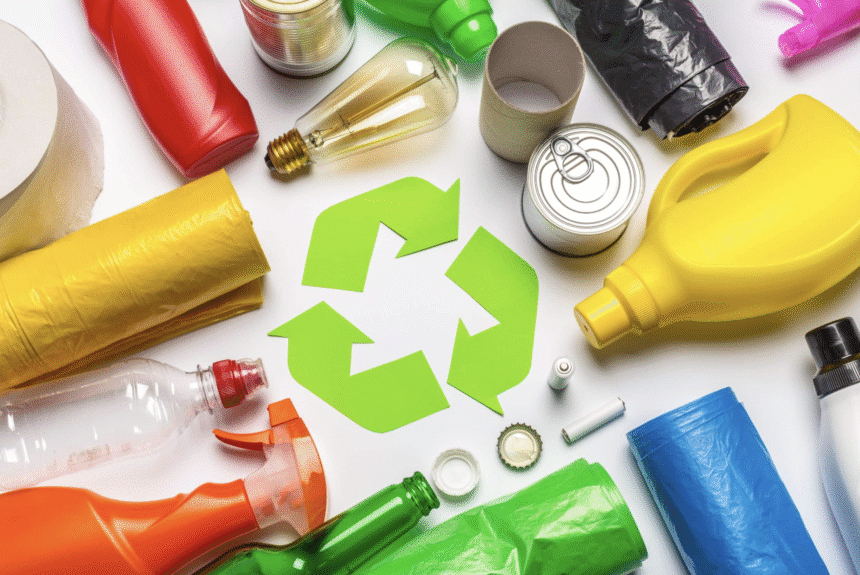
Introduction: What is Recyclatanteil?
Recyclatanteil refers to the proportion of recycled materials used in a product or packaging. It has emerged as a crucial metric in sustainable manufacturing, helping companies reduce environmental impact while meeting both regulatory requirements and consumer expectations.
In the European Union, increasing Recyclatanteil is not just an eco-friendly branding choice—it is becoming a legal requirement under updated packaging and waste regulations, pushing businesses toward circular economy practices and more responsible production.
Why Recyclatanteil Matters for Sustainable Products
Using recycled materials in manufacturing and packaging provides multiple benefits:
-
Environmental impact: Reduces waste, lowers greenhouse gas emissions, and conserves natural resources.
-
Economic advantage: Helps stabilize material costs and reduce reliance on virgin raw materials.
-
Consumer trust: Eco-conscious buyers increasingly prefer products with verified recycled content.
-
Regulatory compliance: Meets EU and global recycled content requirements, avoiding penalties.
Increasing Recyclatanteil is no longer optional—it is a measure of both corporate responsibility and competitive advantage.
How Recyclatanteil Works: Materials and Sources
Recyclatanteil can include post-consumer recycled (PCR) and post-industrial recycled (PIR) materials:
-
Post-Consumer Recycled (PCR): Materials that consumers have already used and discarded.
-
Post-Industrial Recycled (PIR): By-products or scraps from manufacturing processes that never reached consumers.
Common materials where Recyclatanteil is applied:
-
Plastics
-
Paper and cardboard
-
Glass
-
Metals
-
Construction materials
By tracking and increasing recycled content, companies can quantify their sustainability performance and integrate it into their product design and marketing.
Recyclatanteil and the Circular Economy
Recyclatanteil fits into the circular economy by keeping materials in use for as long as possible:
| Industry Sector | Example of Recycled Content | Circular Benefit |
|---|---|---|
| Packaging | Bottles, films | Reduces plastic waste |
| Automotive | Interior panels, textiles | Material efficiency and lightweight design |
| Construction | Insulation, concrete | Conserves natural resources |
| Electronics | Casings, components | Lowers demand for virgin polymers |
Increasing Recyclatanteil means less waste, reduced energy consumption, and more efficient use of resources, supporting sustainable production across sectors.
EU Regulations and Compliance
The EU has implemented strict rules requiring minimum recycled content in packaging, which will increase over time:
-
Non-compliance risks financial penalties and restricted market access.
-
Businesses must track, document, and report their recycled content accurately.
-
Compliance encourages supplier collaboration and innovation in material sourcing.
Companies that proactively meet Recyclatanteil targets gain a competitive advantage and strengthen their brand credibility.
Challenges in Increasing Recyclatanteil
Despite its benefits, raising recycled content comes with challenges:
-
Material quality and consistency: Recyclates can vary in purity and performance.
-
Limited availability: Certain recycled materials may be scarce, especially food-grade plastics.
-
Cost considerations: Sorting, processing, and sourcing recycled materials may require upfront investment.
-
Regulatory restrictions: Some industries, like food or medical, face stricter safety requirements.
Solutions: Investing in advanced recycling technology, supplier partnerships, and internal training can overcome most challenges.
Real-World Examples of Recyclatanteil Implementation
-
Beverage companies use PCR plastics in bottles, achieving over 50% recycled content.
-
Fashion brands integrate PIR fabrics into clothing lines, combining sustainability with style.
-
Construction firms replace raw aggregates with recycled concrete materials, reducing waste and emissions.
These examples show how Recyclatanteil drives innovation, reduces costs, and meets consumer demand for eco-friendly products.
Communicating Recyclatanteil Without Greenwashing
Transparency is key:
-
Use verified certifications to validate recycled content.
-
Avoid vague claims; specify the percentage of recycled material used.
-
Educate consumers about environmental impact and circular economy benefits.
Honest communication builds brand trust and aligns marketing with compliance requirements.
The Future of Recyclatanteil
Recyclatanteil is expected to become a standard design and production parameter:
-
Advances in recycling technology will improve material quality and availability.
-
Stricter regulations will continue to push higher recycled content across industries.
-
Consumer demand for sustainable products will increase, making recyclates a market differentiator.
Companies embracing Recyclatanteil early will lead the transition toward a circular economy while enhancing resilience and brand loyalty.
Conclusion
Recyclatanteil is more than a technical metric it is a strategic imperative for sustainable manufacturing and packaging. By increasing recycled content, businesses can reduce environmental impact, meet EU regulations, and gain economic and reputational advantages.
Focusing on Recyclatanteil positions companies as leaders in eco-friendly innovation, ready for the evolving demands of regulators, consumers, and the global market.
FAQ
What is Recyclatanteil?
It’s the proportion of recycled materials used in a product or packaging.
How does Recyclatanteil differ from recycled content?
They are essentially the same; Recyclatanteil is the German term for recycled content share.
Which materials are commonly recycled?
Plastics, metals, paper, cardboard, glass, and construction materials.
Why is Recyclatanteil important?
It reduces waste, lowers emissions, conserves resources, and ensures regulatory compliance.
How do EU rules affect Recyclatanteil?
The EU requires minimum recycled content in packaging, which increases over time.
Can recycled products match virgin material quality?
Yes, modern recycling processes allow high-quality materials that meet performance and safety standards.