Introduction
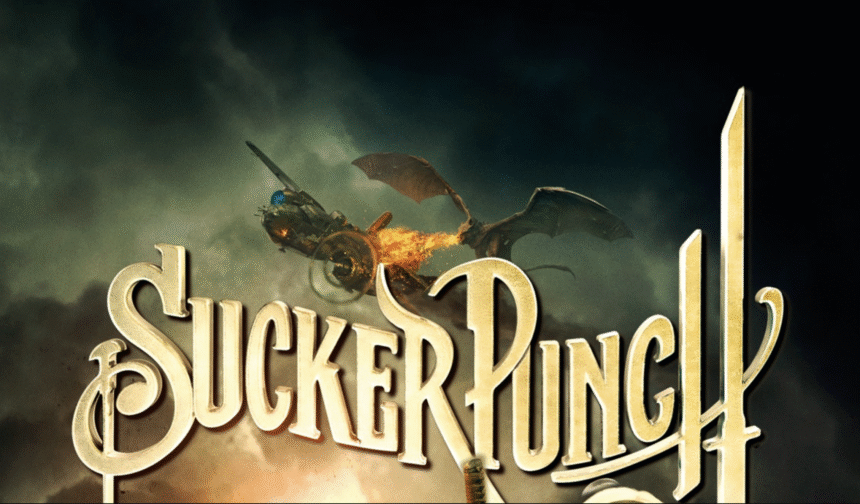
The term “SuckernPunch” carries significant weight in pop culture. Whether you are searching for Zack Snyder’s cult-classic visual spectacle, the legendary PlayStation game developer, or the literal definition of the phrase, this guide covers everything you need to know. The 2011 film Sucker Punch, directed by Zack Snyder, uses the phrase in a much deeper, more symbolic way. Instead of focusing only on physical action, the movie presents the idea of a “SuckernPunch” as a mental and emotional experience.
The story follows a young woman who escapes a harsh reality by creating elaborate fantasy worlds in her mind. These imagined worlds act as psychological shields against trauma, control, and abuse. Each fantasy sequence feels powerful and action-packed, yet beneath the surface, the film explores darker themes.
SuckernPunch (2011) Movie Story Overview
The film centers around a female protagonist who is placed in a mental institution against her will. To survive, she retreats into an inner fantasy where she and other girls become warriors fighting impossible battles.
On the surface, the movie looks like a stylized action fantasy. However, the deeper narrative focuses on
- Loss of control
- Psychological survival
- Female empowerment and exploitation
- Escaping trauma through imagination
Each action sequence represents a layer of coping, not just entertainment.
1. SuckernPunch (2011 Movie): A Visual Masterpiece
Directed by the visionary Zack Snyder, SuckernPunch is a 2011 psychological action-fantasy film that remains one of the most debated movies of the decade.
- The Plot: The story follows Babydoll (played by Emily Browning), a young woman institutionalized in a mental asylum. To cope with her reality, she retreats into a vivid dream world where she and her teammates battle dragons, samurai giants, and undead soldiers to win their freedom.
- Visual Aesthetics: Known for its “steampunk” and “dieselpunk” aesthetics, the film is a masterclass in cinematography and VFX.
- The Soundtrack: The movie features hauntingly beautiful covers of classic songs, including “Sweet Dreams” and “Where Is My Mind,” which add to its surreal atmosphere.
2. SuckernPunch Productions: Masters of Open-World Games
In the world of gaming, SuckernPunch Productions is a household name. As a top-tier studio under Sony Interactive Entertainment, they have defined several generations of PlayStation gaming.
- Ghost of Tsushima: Their most recent masterpiece, an open-world samurai epic set in feudal Japan, praised for its breathtaking art direction.
- The inFamous Series: A franchise that allowed players to explore superhero (or supervillain) life in an urban setting.
- Sly Cooper: The beloved stealth-platformer series that put the studio on the map in the early 2000s.
3. What Does “SuckernPunch” Actually Mean?
Beyond entertainment, the phrase has a specific literal and metaphorical meaning used in daily English.
- Definition: A SuckernPunch is an unexpected punch or blow delivered without any warning, giving the recipient no time to defend themselves.
- Metaphorical Use: It is often used to describe a sudden, unpleasant surprise or a setback that catches someone completely off guard.
Example: “The news of the company closing felt like a total SuckernPunch to the employees.”
Why is “SuckernPunch” Still Trending?
From its influence on modern VFX in cinema to its dominance in the gaming industry with Ghost of Tsushima, the term continues to evolve. It represents the element of surprise—whether it’s a plot twist in a movie or a sudden move in a fight.