



Introduction
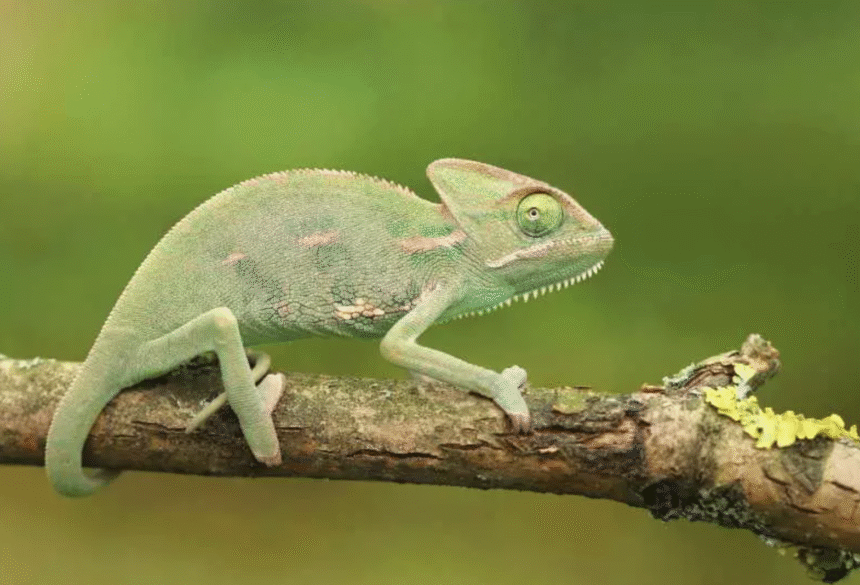
Chameleons have fascinated humans for centuries because of their mysterious abilities and unusual appearance. Their power to change color, rotate their eyes independently, and move silently through trees makes them one of the most unique reptiles on Earth. Belonging to the family known as chameleónovité, these reptiles are found mostly in warm and tropical regions. Unlike fast-moving lizards, chameleons live a calm and slow life, blending perfectly with their environment.
In today’s world, interest in exotic animals is growing rapidly. Students, researchers, pet lovers, and wildlife enthusiasts all want to understand what makes chameleons so special. Chameleónovité, also known scientifically as the Chamaeleonidae family, includes more than 200 species with remarkable adaptations. This guide explains their biology, habitat, behavior, diet, reproduction, and care in a clear and easy-to-understand way.
What Are Chameleónovité?
The term chameleónovité refers to the biological family that includes all chameleon species. This family contains over 200 known species, each differing in size, color patterns, and survival strategies. Chameleons are Old World lizards mainly found in Africa, Madagascar, parts of Asia, the Middle East, and southern Europe.
These reptiles are highly specialized for climbing and hunting. Their bodies are designed for life in trees, with gripping feet, a prehensile tail, independently moving eyes, and a powerful tongue. Together, these features make chameleónovité one of the most scientifically impressive reptile families in nature.
Habitat and Natural Distribution
Chameleons are primarily found in warm regions of the world. Madagascar alone is home to nearly half of all chameleon species, making it the most important location for chameleónovité diversity. Other species live across sub-Saharan Africa, the Mediterranean region, the Arabian Peninsula, and parts of Asia and Europe.
They inhabit a wide range of environments, including rainforests, mountain forests, dry woodlands, and even semi-desert regions. Most chameleónovité prefer moderate humidity and warm temperatures. Extreme cold environments are unsuitable for them, which explains their absence from colder regions.
How Chameleons Change Color
One of the most famous features of chameleónovité is their ability to change color. This process is controlled by specialized skin cells called chromatophores, along with deeper reflective cells known as iridophores. These cells work together to reflect light and produce different colors.
Color change is not only for camouflage. Chameleons change color to communicate emotions, regulate body temperature, attract mates, display dominance, and respond to stress. Bright colors usually indicate excitement or mating behavior, while darker shades often signal fear, submission, or low body temperature.
Vision and Eye Structure
Chameleons have one of the most advanced visual systems among reptiles. Each eye can move independently, allowing them to observe two different directions at the same time. This gives chameleónovité a wide field of vision and helps them detect predators and prey without moving their bodies.
When prey is located, both eyes focus together to create accurate depth perception. Some species can even see ultraviolet light, which helps them locate food and identify mates more effectively.
Diet and Feeding Behavior
Chameleons are primarily insectivores. Their diet mainly consists of crickets, grasshoppers, flies, roaches, and mealworms. Larger species may occasionally eat small birds or lizards.
Their tongue is one of the fastest hunting tools in nature. It can extend more than twice the length of their body in a fraction of a second. This allows chameleónovité to catch prey from a distance without chasing it. Their hunting style is slow and patient, often waiting motionless for long periods before striking.
Movement, Feet, and Climbing Ability
Chameleons are tree-dwelling reptiles and spend most of their lives in vegetation. Their feet are specially adapted with fused toes that form a strong, pincer-like grip. This helps them hold branches firmly while moving.
Their prehensile tail provides additional balance and support. Combined with slow, deliberate movements, these features allow chameleónovité to move safely through trees while remaining unnoticed by predators.
Behavior and Defense Mechanisms
Chameleons are generally solitary and non-aggressive. They rely on passive defense strategies rather than physical attacks. These include blending into their surroundings, changing warning colors, inflating their bodies, hissing, and making sudden movements to scare predators.
Territorial behavior is common, especially among males. Color displays and body posturing are used to warn rivals, and physical combat occurs only when visual signals fail.
Reproduction and Lifespan
Most chameleons reproduce by laying eggs, although some species give birth to live young. During the breeding season, males display bright colors to attract females. After mating, females lay between 10 and 50 eggs depending on the species.
The eggs incubate for several weeks to months. Baby chameleons are independent from birth and begin hunting immediately. The average lifespan of chameleónovité ranges from 3 to 10 years, depending on species and care conditions.
Chameleónovité as Pets
Chameleons are popular exotic pets, but they are not suitable for beginners. They require precise temperature control, proper humidity, UVB lighting, and a live insect diet. Frequent handling causes stress, which can lead to health problems.
Some species, such as the Veiled Chameleon and Panther Chameleon, are more commonly kept as pets due to their hardiness. Anyone planning to keep chameleónovité should thoroughly research their care requirements before adoption.
Health Issues and Conservation
Improper care can lead to serious health problems such as metabolic bone disease, dehydration, respiratory infections, vitamin deficiencies, and parasites. With correct husbandry and early treatment, many of these issues are preventable.
In the wild, many chameleon species are threatened by deforestation, climate change, and illegal wildlife trade. Conservation programs and captive breeding efforts play a crucial role in protecting chameleónovité and maintaining ecological balance.
Conclusion
The world of chameleónovité is filled with beauty, complexity, and remarkable adaptation. From their color-changing skin and independent eyes to their specialized feet and lightning-fast tongues, chameleons are true masterpieces of evolution.
Understanding and protecting these reptiles is essential for maintaining healthy ecosystems. Whether observed in the wild or kept responsibly in captivity, chameleónovité deserve respect, care, and conservation so future generations can continue to admire these extraordinary creatures.